


Sensory Toys Australia: How to Choose the Right Tools for Your Child
Choosing sensory toys for your child is not about finding the most popular product or buying as many tools as possible.
The most helpful starting point is understanding what your child enjoys, what situations they find difficult and what type of activity you want to support.
One child may actively seek jumping, spinning and climbing. Another may prefer quiet tactile activities or firm pressure. Some children need more support during transitions, seated learning or busy parts of the day.
Happy Square is an Australian sensory and educational toy store offering products for families, schools, clinics and NDIS participants. Its range is organised around areas such as sensory stimulation, gross motor development, fine motor skills, cognitive skills, language development, play skills, emotions and routines.
This guide explains how to choose sensory toys in Australia based on purpose, environment, safety and your child’s individual responses.
What Are Sensory Toys?
Sensory toys are products that encourage children to explore one or more types of sensory input through play.
Depending on the product, the activity may involve:
- Touch and texture
- Movement and balance
- Body awareness
- Sound
- Visual input
- Hand and finger movement
- Pressure or resistance
- Timing and routine
- Problem-solving
- Imaginative or social play
Sensory play can be active or calming. A trampoline provides a very different experience from a quiet fidget toy, visual timer or textured activity.
Play is central to children’s learning and development. It can support confidence, communication, social skills, physical development and understanding of the world around them.
Sensory toys should not be viewed as guaranteed treatments or replacements for professional care. They are practical play and support tools whose usefulness depends on the child, activity and environment.
Begin with the Purpose
Before comparing products, ask one simple question:
What do I want this toy to help my child do?
The answer may be:
- Move more safely
- Settle after becoming overwhelmed
- Stay engaged during a seated activity
- Practise balance or coordination
- Strengthen hands and fingers
- Understand time
- Move between activities more smoothly
- Practise communication
- Develop independent play
- Build confidence through physical activity
Happy Square allows customers to browse by developmental skill rather than only by product type. Its current categories include fine motor skills, cognitive skills, sensory stimulation, language development, play skills, gross motor skills, emotions and behaviour, and timer and routine-planning products.
Choosing by purpose helps prevent the common mistake of purchasing a product simply because it has been labelled “sensory.”
Observe What Your Child Seeks or Avoids
Children can respond very differently to the same activity.
One child may enjoy swinging and spinning, while another may become uncomfortable quickly. A textured toy may be calming for one child and unpleasant for another.
Observe your child during ordinary routines:
- Do they frequently jump, rock or spin?
- Do they enjoy pushing, pulling or carrying objects?
- Do they seek enclosed or cosy spaces?
- Do they become distracted while sitting?
- Do they enjoy touching different materials?
- Are transitions between activities difficult?
- Do busy, loud or visually crowded spaces seem overwhelming?
- Do they need frequent movement breaks?
- Are there particular sensations they avoid?
You do not need to diagnose the reason for every response. The objective is to notice patterns and select a tool that can be introduced gradually.
When sensory differences significantly affect daily life, an occupational therapist or another qualified professional can help assess the child’s needs and recommend appropriate strategies.
Sensory Toys for Calming and Body Awareness
Some children enjoy activities that provide firm resistance, gentle pressure or a defined space around the body.
Products in this category may include:
- Body socks
- Lycra tunnels
- Compression tools
- Sensory swings
- Soft tactile products
- Cocoon or pod-style seating
- Resistance-based movement activities
- Quiet handheld fidgets
Happy Square’s range includes products such as Lycra tunnels, body-awareness tools, sensory swings and compression-related resources. The store describes its Lycra Tunnel as a resistance-based movement tool intended to encourage crawling, stretching, core engagement and body awareness.
These products should be introduced with appropriate supervision. Stop the activity if the child appears distressed, uncomfortable, dizzy, short of breath or unable to exit independently.
The aim is not to force a child to tolerate an activity. It is to provide an optional experience and observe their response.
Sensory Toys for Movement and Gross Motor Play
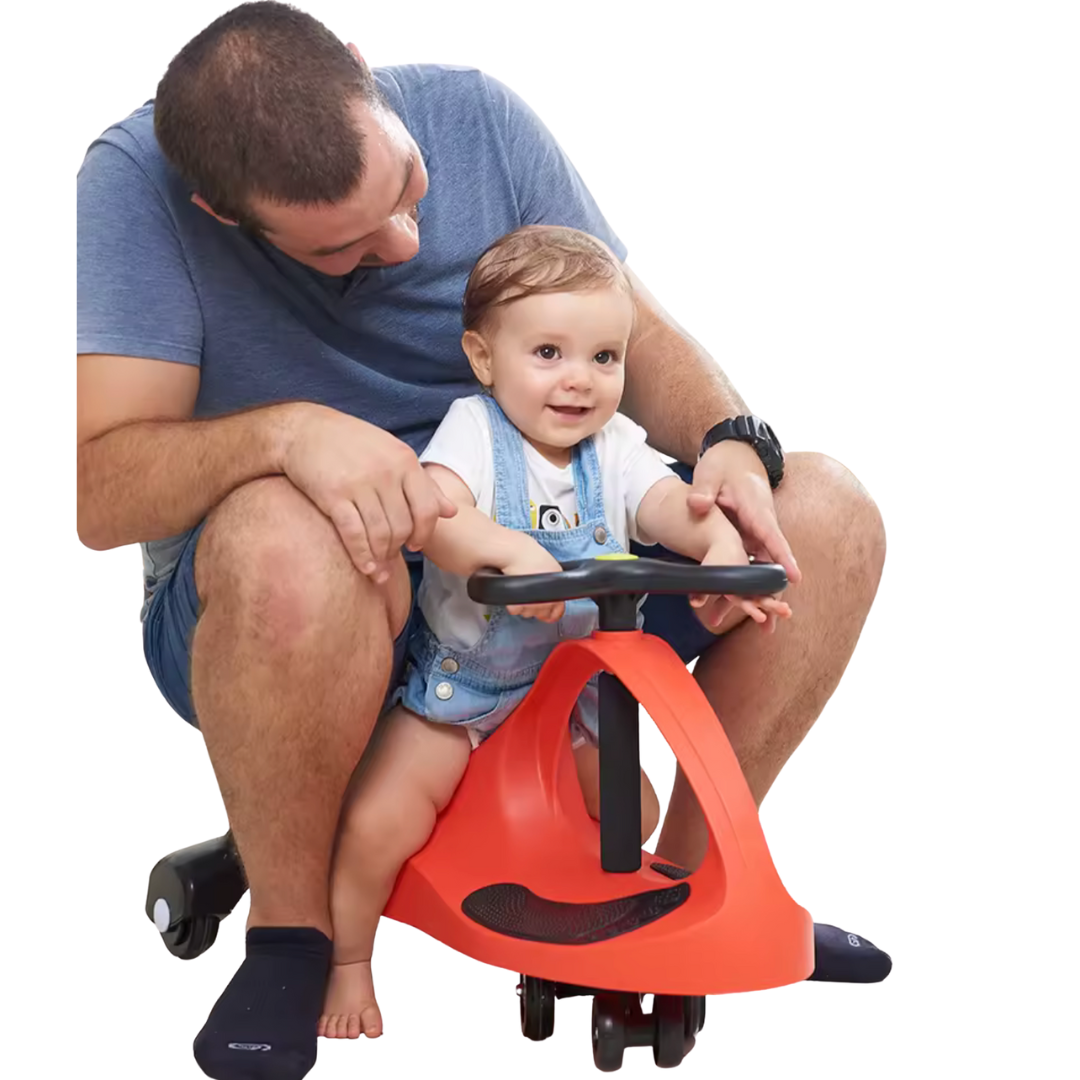
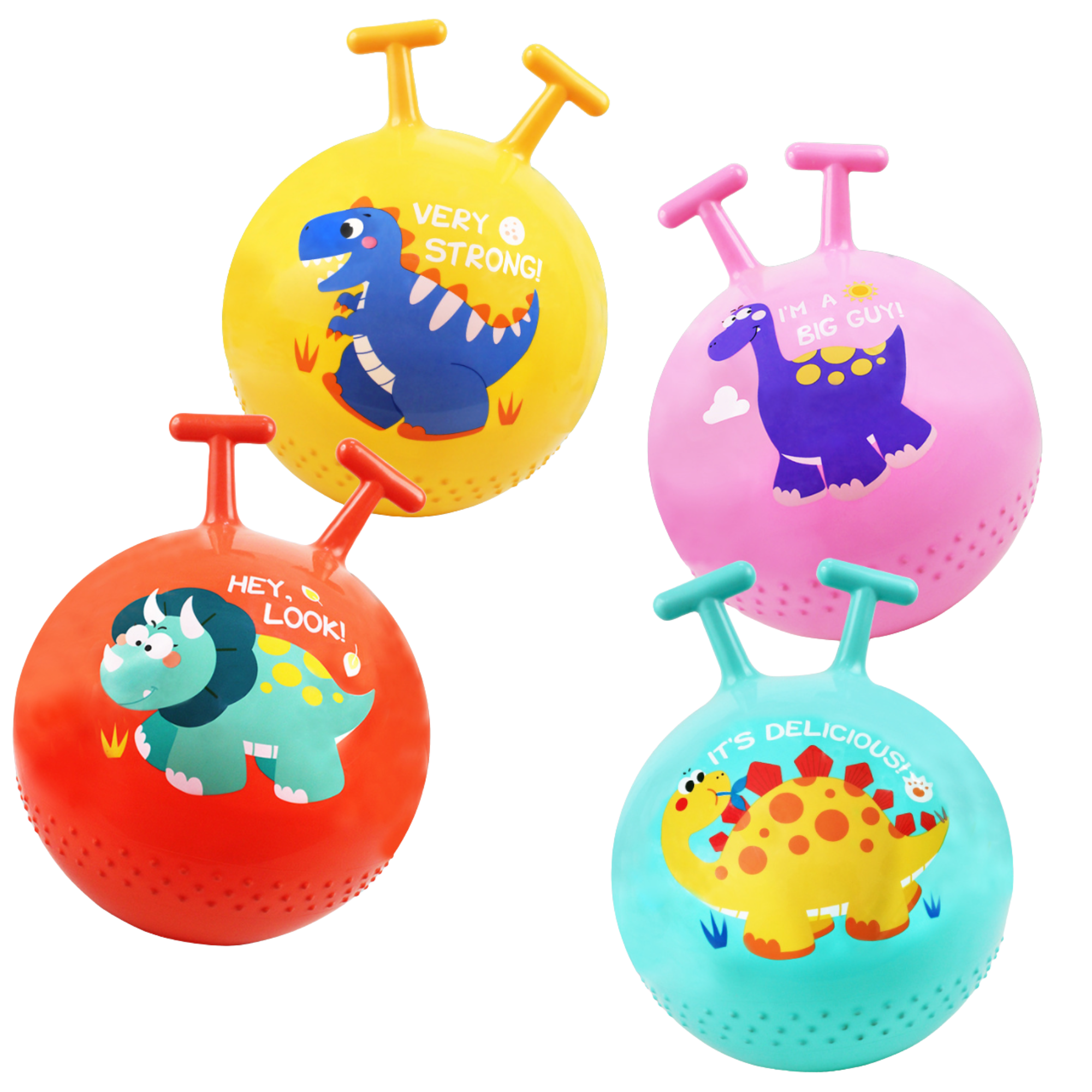
Movement-based products can be useful for children who enjoy jumping, balancing, rocking, crawling, pushing or spinning.
Examples include:
- Mini trampolines
- Balance boards
- Stepping stones
- Scooter boards
- Swivel chairs
- Hopper balls
- Sensory swings
- Ride-on toys
- Agility rings
- Tunnels
- Balance beams
Happy Square’s sensory integration and gross motor range includes swivel chairs, foldable trampolines, balance scooter boards, sensory swings, jumping hoops and other movement-focused equipment.
When choosing movement equipment, check:
- The recommended age
- The child’s height and weight
- The product’s maximum load
- The amount of floor space required
- Whether anchoring or installation is necessary
- Indoor or outdoor suitability
- Whether an adult must assist
- The surface underneath the equipment
- How the product will be stored
- Whether other children will use it simultaneously
Movement toys should be placed away from hard furniture, sharp corners, stairs and fragile objects.
A visually exciting product is not automatically suitable for a small room. Measure the intended play area before ordering.
Sensory Toys for Focus and Seated Activities
Some children focus better when they can make small, controlled movements while listening, reading or completing a task.
Suitable tools may include:
- Quiet fidget toys
- Textured handheld products
- Wobble cushions
- Pencil grips
- Sensory mats
- Visual timers
- Small construction activities
- Fine motor games
- Matching and sorting tasks
The right focus tool should support the main activity rather than becoming a larger distraction.
A useful test is to observe whether the child:
- Returns attention to the activity more easily
- Uses the tool safely
- Can put it down when asked
- Avoids distracting nearby children
- Remains more comfortable during the task
Happy Square stocks visual timers, concentration activities, pencil grips, sticker books, construction sets and sensory fidgets across its fine motor, cognitive and routine-related collections.
For classrooms, libraries and waiting rooms, quiet products are generally more practical than toys with loud clicks, lights or unpredictable movement.
Visual Timers and Routine Tools
Transitions can be difficult when children do not know how long an activity will last or what will happen next.
Visual timers and routine planners can make time and expectations more concrete.
They may be useful for:
- Getting ready for school
- Finishing screen time
- Moving from play to dinner
- Completing homework
- Taking movement breaks
- Waiting for an appointment
- Following a morning or bedtime routine
- Preparing for a change in activity
Happy Square promotes visual timers and routine-planning tools as resources for making time and expectations easier for children to see and understand.
A timer should be used as a supportive cue rather than a threat. Giving a child advance notice and calmly explaining what happens when the timer finishes can make the tool more predictable.
Fine Motor Sensory Toys
Fine motor skills involve controlled movements of the hands and fingers.
These skills are used for everyday activities such as:
- Writing
- Drawing
- Using scissors
- Fastening buttons
- Opening containers
- Using cutlery
- Building
- Threading
- Dressing
Happy Square’s fine motor collection includes products such as threading activities, shape sorters, pencil grips, building sets, busy boards and hand-eye coordination games. The store currently organises around 60 products within this collection.
Useful fine motor toys may include:
- Busy boards
- Peg and threading activities
- Building blocks
- Magnetic construction sets
- Stickers
- Puzzles
- Sorting games
- Tongs and gripping activities
- Drawing tools
- Lacing cards
A good fine motor toy should provide enough challenge to remain interesting without creating constant frustration.
Cognitive, Language and Social-Emotional Tools
Sensory and educational play can also involve thinking, communication and emotional understanding.
Products may support:
- Matching
- Memory
- Sequencing
- Cause and effect
- Vocabulary
- Facial-expression recognition
- Turn-taking
- Problem-solving
- Pretend play
- Emotional awareness
Happy Square’s product categories include cognitive skills, language development, emotions and behaviour, and play skills. Examples listed on the website include wooden puzzles, Montessori-style games, emotion-face activities and interactive learning resources.
Choose products that suit the child’s current communication level rather than only their chronological age.
For example, an activity with fewer pieces and clear visual instructions may be more useful than a complicated game that requires lengthy verbal explanations.
Match the Product to the Environment
A product that works well in a therapy room may not be practical in a small apartment. A noisy toy that is enjoyable at home may be unsuitable for a classroom.
For Home
Consider:
- Available floor space
- Noise
- Storage
- Siblings
- Cleaning
- Frequency of use
- Furniture and flooring
- Whether supervision is always available
For School
Consider:
- Portability
- Noise level
- Ease of cleaning
- Whether it distracts other students
- Storage between uses
- Staff supervision
- Suitability for shared use
For Clinics
Consider:
- Durability
- Adjustable difficulty
- Cleaning between clients
- Weight limits
- Professional goals
- Space and installation
- Documentation for purchasing
Happy Square provides dedicated sensory integration products and school, clinic and NDIS ordering support, including an order form for institutional purchases.
Check Age, Size and Safety Information
Age guidance is not only about whether a toy is intellectually interesting. It can also indicate choking, strangulation and other safety risks.
Australian parenting guidance recommends checking age information, relevant standards and product materials. Particular risks include small parts, cords, button batteries, strong magnets, toxic materials and items that can wrap around a child’s neck.
Before purchasing, check:
- Recommended age
- Small detachable parts
- Button batteries
- Magnets
- Cords, straps and elastic
- Sharp edges
- Weight limits
- Stability
- Installation instructions
- Required safety equipment
- Cleaning instructions
- Outdoor-weather suitability
- Adult-supervision requirements
For swings, trampolines and climbing or spinning products, confirm that installation and clearance requirements can be followed correctly.
Damaged products should be removed from use until repaired or replaced.
Start with One Clear Goal
It is easy to create a long shopping list after discovering sensory products.
A better approach is to begin with one clear need.
For example:
- “We need a quiet tool for homework.”
- “We need a safe indoor movement option.”
- “We need support with morning transitions.”
- “We want to practise hand strength.”
- “We need an activity for waiting rooms.”
- “We want a balance activity for outdoor play.”
Choose one or two suitable tools, introduce them gradually and observe what happens.
Consider:
- Does the child choose to use it?
- Does it support the intended routine?
- Does it create discomfort?
- Is the product practical to supervise?
- Can it be used consistently?
- Does the child lose interest immediately?
- Does the activity need to be shortened or adjusted?
A product does not need to be used every day to be useful, but it should have a clear place in the child’s play or routine.
Avoid Promising a Guaranteed Outcome
Sensory tools should not be marketed as products that will automatically stop anxiety, correct behaviour, treat autism or produce a guaranteed developmental outcome.
Every child is different, and responses may change depending on tiredness, environment, health and routine.
It is more accurate to say that a toy may:
- Encourage movement
- Provide tactile input
- Support structured play
- Help practise a skill
- Create a predictable visual cue
- Offer an optional calming activity
- Support participation in a daily routine
Parents should seek professional advice when they are unsure whether a product is appropriate, particularly for children with significant physical, developmental or sensory support needs.
Buying Sensory Toys with NDIS Funding
Happy Square currently advertises NDIS invoice availability and directs customers to contact the business for help purchasing eligible products. It also provides dedicated NDIS, clinic and school order resources.
NDIS funding is not determined by the retailer alone. The NDIS states that assistive technology must be directly related to the participant’s disability and meet applicable funding requirements. Everyday products that are not disability-related might not be funded.
Before ordering, participants or families should confirm:
- Whether the product relates to the participant’s goals
- Whether the relevant budget can be used
- Whether approval or professional evidence is needed
- Whether the plan is self-managed, plan-managed or agency-managed
- What information the plan manager requires
- Whether a quotation or tax invoice is needed
For uncertain purchases, check with the plan manager, support coordinator or treating professional before completing the order.
Why Shop with Happy Square?
Happy Square offers sensory and educational resources for Australian families, carers, schools, clinics and therapy settings.
Its website currently includes:
- Sensory and decompression tools
- Gross motor and sensory integration equipment
- Fine motor resources
- Cognitive learning products
- Language-development tools
- Visual timers and routine planners
- Emotional-learning resources
- Play-skill products
- NDIS funding support
- School and clinic ordering options
- Custom educational-tool enquiries
The store was established by a parent who describes using educational and sensory tools to support her daughter’s fine motor development, emotional regulation, communication, play and physical abilities.
Happy Square currently advertises free shipping on eligible orders over $99 and a welcome discount code. Promotions and shipping thresholds can change, so customers should confirm the details displayed at checkout.
Address and Contact Details
Business: Happy Square AU
Business type: Online sensory and educational toy retailer
Address: Unit 6, 4 Vesper Drive, Narre Warren VIC 3805, Australia
Phone: 0430 750 122
Email: happysquareau@outlook.com
The website presents this address as the business contact location. Customers should contact Happy Square before visiting because it is not clearly promoted as a public walk-in retail showroom.
Ordering and NDIS Support Details
Happy Square primarily operates through online ordering rather than appointment bookings.
Standard Online Order
- Visit the Happy Square website.
- Browse by skill or product category.
- Open the relevant product page.
- Check the recommended age, dimensions and available options.
- Review safety, installation and supervision requirements.
- Add the product to the cart.
- Enter delivery and payment information.
- Review shipping charges and current promotions.
- Complete checkout.
Selected product pages state that orders are generally processed within one to three business days. Delivery timing and stock availability vary by product and destination.
NDIS, School or Clinic Order
- Identify the required products.
- Record the product names, links, quantities and options.
- Prepare the participant, school or clinic details.
- Confirm the available budget or purchasing approval.
- Complete the NDIS, clinic or school order form where applicable.
- Alternatively, email happysquareau@outlook.com.
- Request an invoice, quotation or purchase-order assistance.
- Confirm funding approval before finalising uncertain purchases.
Happy Square states that customers can email the business for NDIS invoice assistance and order support.
Final Thought
The right sensory toy is not necessarily the largest, most expensive or most visually exciting product.
It is the tool that matches a clear purpose, suits the child’s age and abilities, works safely in the intended environment and receives a positive response from the child.
When comparing sensory toys in Australia, begin by identifying whether you are supporting movement, calming, focus, routine, fine motor development, communication or play. Check the product specifications carefully, introduce one tool at a time and observe how your child uses it.
Happy Square offers a broad collection of sensory, educational and movement-based products for families, schools, clinics and NDIS participants. Its shop-by-skill structure can help customers narrow the range according to the developmental area they want to support.
Sensory play should feel safe, purposeful and enjoyable. The best product is one that fits naturally into your child’s world and helps make play, learning or everyday routines more accessible.
