


Why Gross Motor Skills Matter for a Child’s Physical and Sensory Development
Movement Is a Fundamental Part of Childhood
Children learn about themselves and their surroundings through movement.
Before they can explain how their bodies feel or how far away an object is, they begin learning through reaching, rolling, crawling, walking, climbing and balancing. These experiences gradually help children understand what their bodies can do and how to move through different environments.
Gross motor skills involve the coordination and control of the body’s larger muscles. They support movements such as sitting, standing, walking, running, jumping and climbing. Fine motor skills, by comparison, involve smaller movements of the hands, fingers and wrists.
Gross motor development is not limited to sport or exercise. It supports many activities children encounter throughout the day, including:
- Getting in and out of a chair
- Walking up and down stairs
- Carrying a school bag
- Maintaining posture at a table
- Playing in the playground
- Kicking or catching a ball
- Dressing independently
- Participating in games with other children
- Moving safely through busy environments
Regular opportunities for active play allow children to practise these movements in ways that feel enjoyable and meaningful.
What Are Gross Motor Skills?
Gross motor skills are movements that use large muscle groups in the torso, arms and legs.
They include both simple actions and more complex combinations of movement.
Common Gross Motor Skills
- Sitting upright
- Standing
- Walking
- Running
- Crawling
- Jumping
- Hopping
- Skipping
- Climbing
- Throwing
- Catching
- Kicking
- Balancing
- Riding a scooter or bicycle
- Moving through an obstacle course
These skills do not develop in exactly the same way or at the same speed for every child. Age ranges and developmental milestones are useful guides, but children can progress differently depending on their interests, experiences, health and individual needs.
The goal of movement play should not be to force a child to perform at a particular level. It should provide safe opportunities to explore, repeat movements and build confidence gradually.
Why Gross Motor Development Is Important
Gross motor skills contribute to several connected areas of childhood development.
Strength and Physical Stability
Running, climbing, pushing, pulling and jumping engage muscles throughout the body.
As children practise these movements, they learn how to support their body weight, maintain posture and control their movements with greater stability.
Physical activity also contributes to healthy growth, stronger muscles and bones, improved fitness, balance and coordination. Australian physical activity guidance identifies these as important benefits of active play for children.
Balance
Balance allows a child to control their body while stationary or moving.
It is used when a child:
- Stands on one foot
- Walks along a narrow path
- Climbs stairs
- Reaches for an object
- Rides a scooter
- Lands after jumping
- Changes direction while running
Balance develops through experience. Activities involving different heights, surfaces, speeds and body positions can give children opportunities to practise making small physical adjustments.
Coordination
Coordination involves different body parts working together smoothly.
Catching a ball, for example, requires the eyes to follow the ball while the arms and hands move into the correct position. Kicking requires balance on one leg while the other leg moves towards the target.
Coordination supports playground activities, sports and everyday tasks. It also helps children move more efficiently and confidently.
Postural Control
Postural control is the ability to keep the body stable and appropriately positioned.
It helps children sit upright, stand steadily and use their arms and hands without losing balance. Strong postural control can support participation in classroom, self-care and play activities.
Motor Planning
Motor planning involves deciding how to perform a movement, organising the required steps and carrying them out.
A child moving through an obstacle course might need to work out how to:
- Step over a low barrier
- Crawl through a tunnel
- Walk across a balance path
- Jump onto a soft mat
Repeated exposure to varied movement challenges can help children become more familiar with planning and adapting their actions.
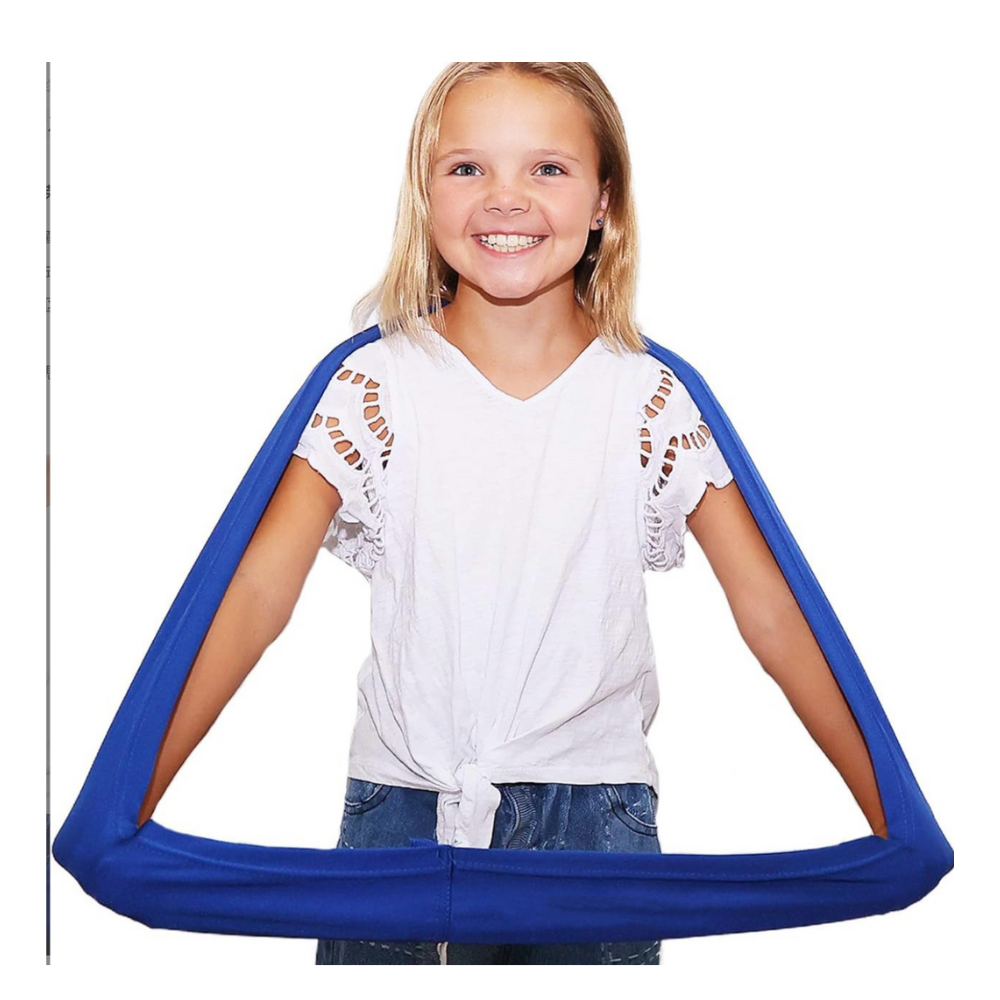
https://happysquare.com.au/collections/kids-gym/products/bouncyband-stretch-band
The Connection Between Movement and Sensory Development
Movement provides the brain with information from several sensory systems.
Most people are familiar with sight, sound, smell, taste and touch. Children also receive information from systems connected to movement, balance and body awareness.
The Vestibular System
The vestibular system is associated with movement, balance and spatial orientation. It responds when the head and body move in different directions.
Activities such as swinging, rocking, spinning, balancing and changing position can provide vestibular input. Children can respond very differently to this input. Some enjoy frequent movement, while others may prefer slower and more predictable experiences.
Fast or rotational movements can be highly alerting for some children, and excessive spinning can lead to overstimulation or safety concerns. Movement activities should therefore be supervised, introduced gradually and stopped when a child shows discomfort, dizziness or distress.
Proprioception and Body Awareness
Proprioceptive information comes from muscles, joints and connective tissues. It helps a person understand where their body parts are and how much force may be needed for a movement.
Activities that involve pushing, pulling, carrying, crawling, climbing or jumping can provide this form of body feedback.
Examples include:
- Pushing a weighted toy
- Carrying a small basket
- Crawling through a tunnel
- Climbing suitable play equipment
- Jumping onto a soft mat
- Playing tug-of-war
- Performing animal walks
- Rolling a large therapy ball
These experiences can help children practise body awareness while developing strength and coordination.
Touch and Visual Information
Gross motor activities often combine movement with touch and vision.
A child walking across textured stepping stones receives information through the feet while also using vision to judge distance and position. A ball game combines visual tracking with body movement and contact.
This is one reason movement play can be rich and engaging: several systems may be working together during one simple activity.
Gross Motor Skills and Everyday Independence
Physical skills support much more than playground participation.
Children use gross motor abilities during daily routines such as:
- Getting dressed
- Climbing into a car
- Carrying belongings
- Sitting at a desk
- Using the bathroom
- Getting into bed
- Walking through shops
- Participating in family outings
A child with greater physical confidence may feel more willing to try new activities. They may also find it easier to join games with peers and navigate environments that require climbing, balancing or quick changes in direction.
This does not mean every child needs to enjoy sport. Dancing, gardening, water play, nature walks, playground exploration and simple home obstacle courses can all provide valuable movement experiences.
Recommended Physical Activity for Children
Australian Government guidance recommends that toddlers aged one to two years take part in at least three hours of varied physical activity across the day. Preschoolers aged three to five years should also be active for at least three hours, including one hour of energetic play. Activities can include running, jumping, dancing, throwing, kicking and obstacle courses.
For children and young people aged five to seventeen years, the recommendation is at least 60 minutes of moderate-to-vigorous physical activity each day. Muscle- and bone-strengthening activities should form part of that activity on at least three days each week.
| Age Group | Australian Activity Guidance | Examples |
|---|---|---|
| Infants under 12 months | Active several times daily through supervised floor-based play | Reaching, rolling, crawling and tummy time |
| Toddlers aged 1–2 | At least 3 hours of varied activity across the day | Running, dancing, jumping and simple obstacle play |
| Preschoolers aged 3–5 | At least 3 hours, including 1 hour of energetic play | Ball games, climbing, skipping and active outdoor play |
| Children aged 5–17 | At least 60 minutes of moderate-to-vigorous activity daily | Running, swimming, cycling, sport and energetic play |
These recommendations represent total activity across the day. Movement does not need to happen in one long session.
Short periods of active play can be included before school, during outdoor time, after school or between quieter activities.
Age-Appropriate Gross Motor Play Ideas
Activities should be selected according to a child’s developmental level, interests, physical capabilities and safety needs.
For Babies
Appropriate movement opportunities may include:
- Supervised tummy time
- Reaching for toys
- Rolling
- Crawling towards an object
- Moving across a safe floor surface
- Pulling to stand with secure support
For Toddlers
Toddlers may enjoy:
- Pushing and pulling toys
- Dancing to music
- Throwing soft balls
- Walking along a taped line
- Climbing low, stable equipment
- Crawling through a tunnel
- Jumping with support
- Simple obstacle courses
For Preschoolers
Preschool activities might include:
- Hopping
- Balancing on stepping stones
- Throwing into a target
- Kicking a ball
- Jumping over low markers
- Riding a scooter
- Using a balance board with supervision
- Participating in relay-style games
For School-Aged Children
Older children may enjoy:
- Skipping
- Bike riding
- Team games
- Climbing
- Trampolining with appropriate safety measures
- More complex obstacle courses
- Dance routines
- Yoga
- Ball sports
- Cooperative parachute games
Activities should feel achievable while offering a small and appropriate challenge.
How Sensory and Gross Motor Equipment Can Support Active Play
Purpose-designed play equipment can make movement experiences more varied and engaging.
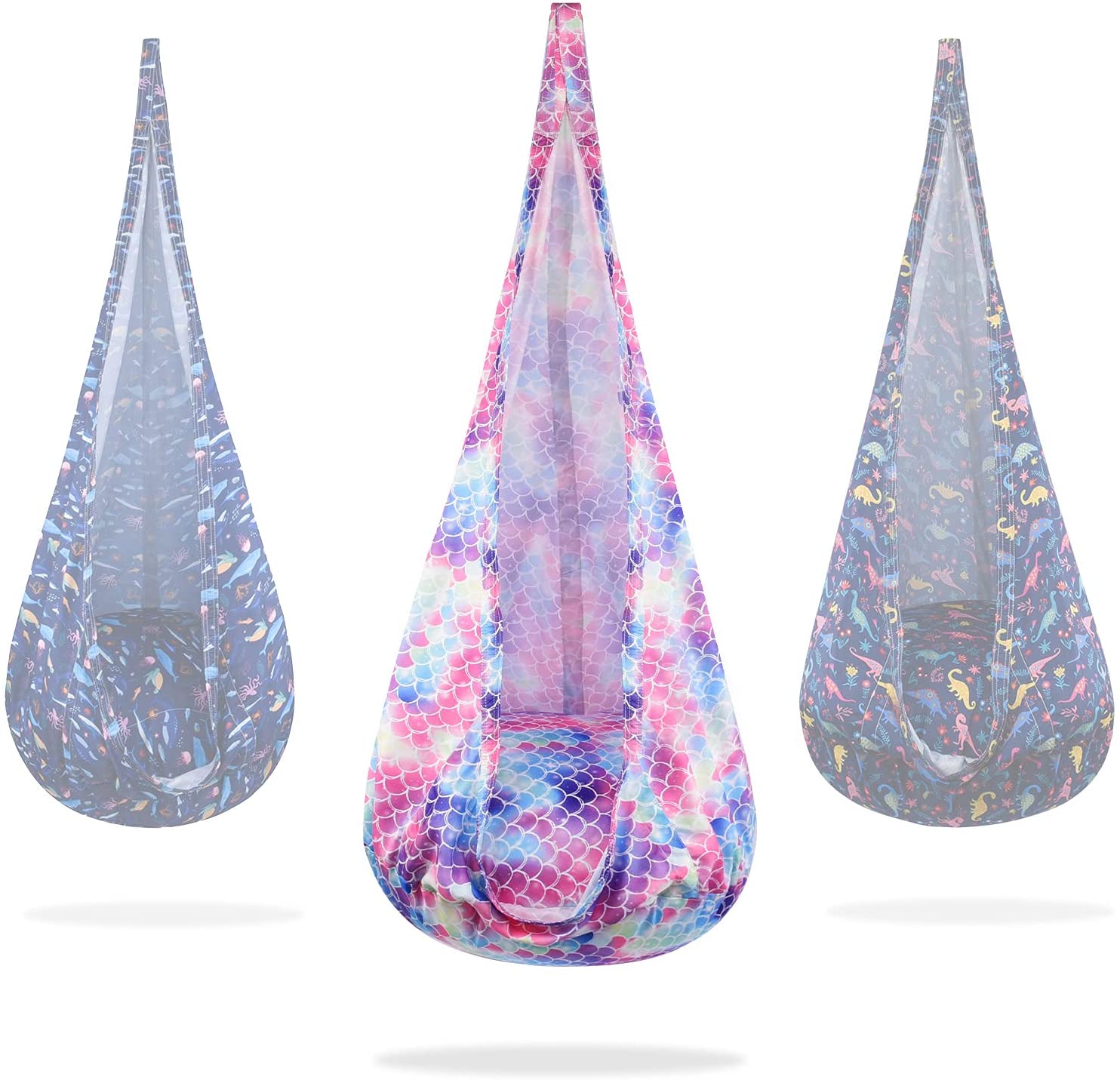
Happy Square organises its product range by developmental skill and maintains a dedicated Sensory Integration Training and Gross Motor Skills Training collection. The collection includes products such as balance equipment, scooter boards, swings, therapy balls, trampolines, skipping ropes, tunnels and cooperative play resources.
Different types of equipment can encourage different movement patterns.
| Equipment Type | Possible Play Experience | Skills Practised |
| Balance boards and stepping equipment | Shifting weight and maintaining stability | Balance, posture and coordination |
| Scooter boards | Moving while seated, kneeling or lying down | Upper-body strength, motor planning and body awareness |
| Therapy balls | Sitting, rolling, pushing or supported balancing | Core activation, balance and coordination |
| Swings | Slow, rhythmic or directional movement | Balance, movement awareness and postural control |
| Trampolines | Repeated controlled jumping | Leg strength, timing and coordination |
| Tunnels | Crawling through an enclosed route | Shoulder stability, coordination and spatial awareness |
| Skipping ropes | Repeated jumping with timing | Rhythm, bilateral coordination and endurance |
| Play parachutes | Cooperative lifting and movement games | Teamwork, timing and whole-body movement |
Products should be selected according to the manufacturer’s age guidance, dimensions, weight capacity, assembly requirements and intended environment.
Sensory and movement products should be treated as play or learning tools, not as guaranteed treatments for a developmental condition.
Creating a Safe Movement Space at Home
Children need enough room to move without colliding with furniture, walls or other people.
Before starting an activity:
- Clear the surrounding area.
- Check that equipment is assembled correctly.
- Use equipment on a stable, appropriate surface.
- Follow age and weight recommendations.
- Provide active adult supervision.
- Avoid placing climbing or jumping equipment near hard edges.
- Stop when the child becomes tired, dizzy or distressed.
- Introduce unfamiliar movement gradually.
- Keep sessions enjoyable rather than forcing participation.
Children can differ significantly in how they respond to swinging, spinning, noise, texture and physical challenge.
One child may enjoy energetic movement, while another may need slow, predictable activities and more time to become comfortable.
Encouraging Movement Without Creating Pressure
Gross motor play is most effective when children feel safe enough to explore.
Parents and carers can support participation by:
- Offering two activity choices
- Demonstrating the movement
- Starting with an easy version
- Allowing the child to watch before joining
- Praising effort rather than performance
- Repeating familiar activities
- Following the child’s interests
- Taking breaks when needed
- Making activities playful rather than competitive
A child who does not enjoy catching a ball may enjoy dancing. A child who avoids a swing may prefer crawling, pushing or climbing.
There is no single activity that every child must enjoy.
When to Seek Professional Advice
Development varies, and occasional difficulty with a movement does not necessarily indicate a problem.
However, parents and carers should consider seeking professional advice when they are concerned about how a child moves, particularly if the child:
- Frequently falls or bumps into objects
- Has persistent difficulty running or jumping
- Avoids most physical activities
- Finds stairs unusually difficult
- Becomes tired much faster than expected
- Loses a movement skill they previously used
- Experiences pain during movement
- Has difficulty keeping up with everyday activities
A general practitioner, paediatrician, physiotherapist or occupational therapist can assess concerns and recommend appropriate support. Healthdirect advises speaking with a doctor or paediatrician when there are concerns about a child’s movement, with referral to relevant allied-health professionals where appropriate.
Parents using equipment as part of a therapy plan should follow the recommendations of the child’s treating professional.
Choosing Gross Motor and Sensory Products
Before purchasing a movement product, consider:
- The child’s age
- Current physical abilities
- Interests and preferences
- Sensory responses
- Available space
- Indoor or outdoor use
- Weight capacity
- Required supervision
- Storage needs
- Cleaning requirements
- Installation or assembly
- Advice from a therapist, where relevant
A product should create opportunities for successful play without placing the child in a situation that feels overwhelming or unsafe.
Shopping with Happy Square
Happy Square offers educational toys, sensory resources and gross motor skill products for homes, schools, clinics and recreational settings. Its gross motor collection is organised around active play, balance, coordination and strength-building opportunities.
Customers can purchase directly through the online store. Happy Square also offers an NDIS purchasing process in which customers complete the relevant form, select their products and choose the NDIS payment option during checkout.
Schools, clinics, teachers, therapists, NDIS providers and other eligible professionals can also apply for a Happy Square trade account by emailing their details to the company.
Final Thought
Gross motor skills help children interact with the world around them.
Through running, climbing, balancing, throwing, jumping and crawling, children practise physical control while learning about movement, space and their own bodies.
The aim is not to create perfect performance. It is to provide safe, enjoyable and developmentally appropriate opportunities for children to move, experiment and build confidence.
Simple active play can be meaningful. A cushion obstacle course, a ball game, a dance session or a supervised balance activity can all encourage children to practise important physical skills.
With suitable support, children can discover movement in a way that respects their individual abilities, sensory preferences and pace of development.
Orders, NDIS Support and Product Enquiries
Happy Square is an online retailer rather than a therapy clinic, so it does not advertise conventional therapy appointment bookings. Customers can order products through the website or contact the team for product, NDIS, school and clinic purchasing assistance.
Business: Happy Square AU
Address: Unit 6, 4 Vesper Drive, Narre Warren VIC 3805
Phone: 04 3075 0122
Email: happysquareau@outlook.com
Online Orders: Select products through the Happy Square online store and complete checkout.
NDIS Orders: Complete the NDIS form, select the required products and choose the available NDIS payment option during checkout.
School and Clinic Orders: Eligible professionals can email Happy Square to apply for a trade account or discuss a purchase order.
General Enquiries: Submit your name, email address and message through the website contact form.
Important: Product information and general developmental content do not replace individual medical or allied-health advice. Seek professional guidance when you have concerns about a child’s movement, development or safe use of specialised equipment.
