


Building an Effective Sensory Space for Schools, Clinics and Therapy Rooms
Creating an effective sensory space involves much more than filling a room with colourful equipment. A successful space should have a clear purpose, suit the people who will use it and allow educators, therapists and support professionals to manage activities safely.
For schools, a sensory space may provide a quiet area, structured movement breaks or visual support during transitions. In a clinic, it may form part of therapist-led activities involving balance, coordination, body awareness or motor planning. In a dedicated therapy room, the space may need to support several different activities within one session.
The best sensory spaces are therefore not defined by how much equipment they contain. They are defined by how thoughtfully the environment, equipment and routines work together.
Why Sensory-Friendly Environments Matter
Australian disability data demonstrates the importance of designing inclusive learning and support environments.
According to the Australian Bureau of Statistics, 12.1% of Australians aged 0 to 24 had disability in 2022. Among children and young people with disability, 67.8% required assistance with at least one everyday activity. The ABS also reported that Australia had approximately 290,900 autistic people in 2022.
| Australian data | Reported figure |
|---|---|
| People aged 0–24 with disability in 2022 | 12.1% |
| Children and young people with disability needing everyday assistance | 67.8% |
| Autistic Australians identified in the 2022 survey | 290,900 |
| Autistic people reporting profound or severe core activity limitations | 73.0% |
These figures do not mean that every student or therapy client requires the same sensory equipment. They highlight the need for flexible environments that recognise different communication styles, movement needs, abilities and responses to sensory input.
Every person is different. Equipment should be chosen according to individual needs, professional recommendations, the intended activity and the way the user responds.
Start with the Purpose of the Sensory Space
Before purchasing sensory room equipment for schools and clinics, define what the space needs to achieve.
A school may want to create a room for:
- Structured movement breaks
- Quiet regulation periods
- Active sitting and classroom preparation
- Visual routines and transitions
- Gross motor activities
- Small-group learning support
A therapy clinic may need the space for:
- Therapist-directed movement activities
- Balance and coordination exercises
- Motor planning
- Body-awareness activities
- Fine motor tasks
- Visual scheduling
- Calm breaks between activities
Defining the purpose first can prevent the room from becoming overcrowded with products that do not support a clear goal.
It is also important to speak with the people who will use and supervise the space. Teachers, occupational therapists, allied health professionals, education support staff, parents and carers may each have useful information about individual preferences, triggers, abilities and support requirements.
Divide the Room into Functional Zones
A practical sensory room does not need to be large. Even a compact room can be effective when it is divided into clearly defined zones.
1. Quiet and Calming Zone
The calming zone should provide a lower-stimulation area where users can step away from busy surroundings.
Depending on the room and individual requirements, this area might contain:
- A pod-style seat or swing
- Soft floor mats
- A body sock or compression tool
- Simple tactile resources
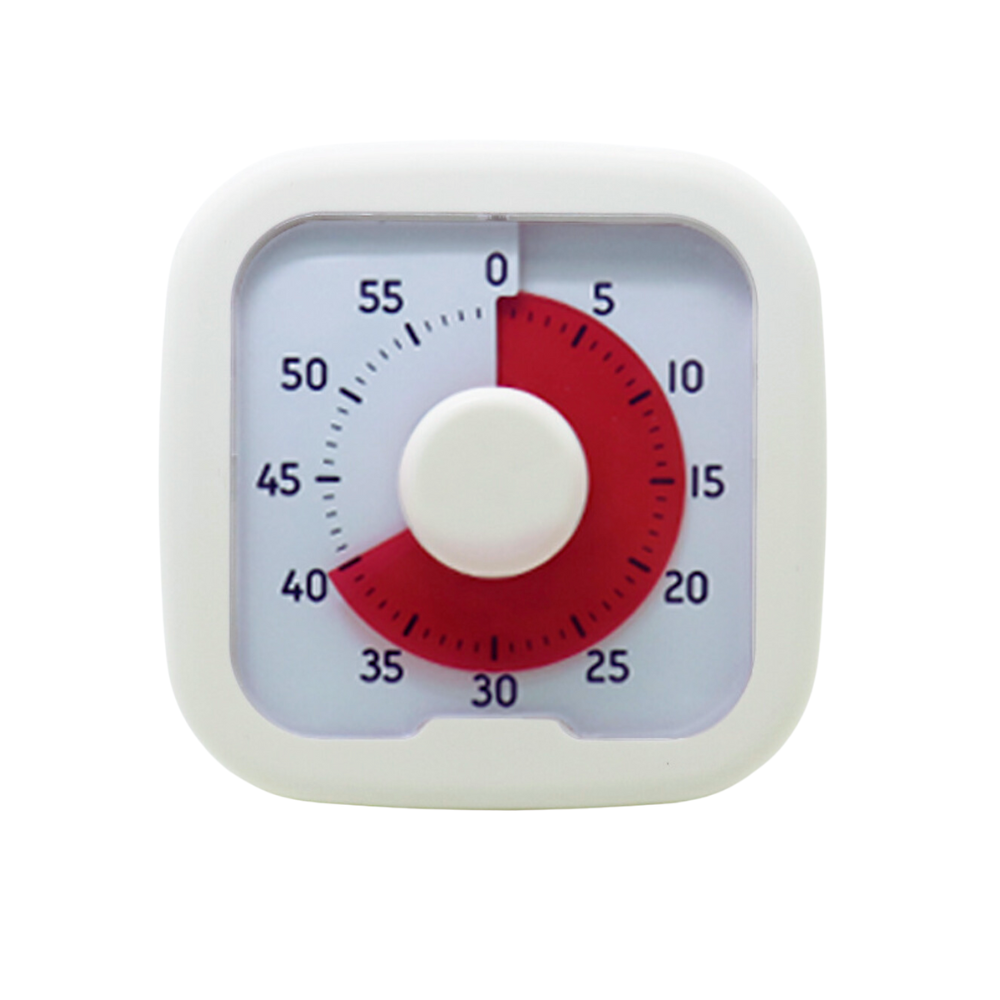
- A visual timer
- A limited selection of quiet activities
Avoid filling the area with too many colours, flashing lights, sounds or objects. A calming zone should remain visually organised and predictable.
Happy Square’s school and clinic collection includes sensory pod swings, compression products, Lycra body socks, visual timers and other tools that may be considered when planning this part of the room.
2. Active Movement Zone
Movement equipment can be used for supervised activities involving jumping, balancing, crawling, pushing, pulling, spinning or coordinated movement.
Suitable equipment may include:
- Mini trampolines
- Scooter boards
- Balance boards
- Therapy balls
- Swivel chairs
- Movement tunnels
- Play parachutes
The NDIS evidence review notes that formal Ayres Sensory Integration Therapy is generally delivered in a clinic-based environment and can involve specialised equipment such as suspended apparatus and scooter boards. This type of structured therapy is different from simply providing access to sensory toys and should be directed by appropriately qualified professionals.
Happy Square offers products such as sensory swivel chairs, foldable trampolines, scooter boards, balance tools and therapy swings for schools, clinics and families.
Movement equipment should always be selected according to the available floor area, ceiling structure, installation requirements, user age, weight limits and supervision capacity.
3. Active Sitting and Focus Zone
Not every sensory activity needs to involve large equipment. Smaller tools can be helpful in classrooms, consultation rooms and learning areas where space is limited.
An active sitting and focus zone may include:
- Wobble cushions
- Resistance bands
- Visual timers
- Tactile tools
- Small hand-held resources
- Desk-based fine motor activities
A wobble cushion can be stored easily and moved between classrooms or therapy spaces. A visual timer can make the passing of time more visible during transitions, work periods or scheduled breaks.
Happy Square’s collection includes wobble-seat cushions, bouncy bands, silent visual timers and routine-support tools designed for school, clinic and home environments.
4. Visual Routine and Transition Zone
Predictability is an important part of an effective sensory space. Users should be able to understand what the room is for, what activity is happening and what comes next.
Consider including:
- A visual session schedule
- First-and-then instructions
- Activity-choice cards
- A countdown timer
- Simple room rules
- Finished-task containers
- Clearly labelled storage
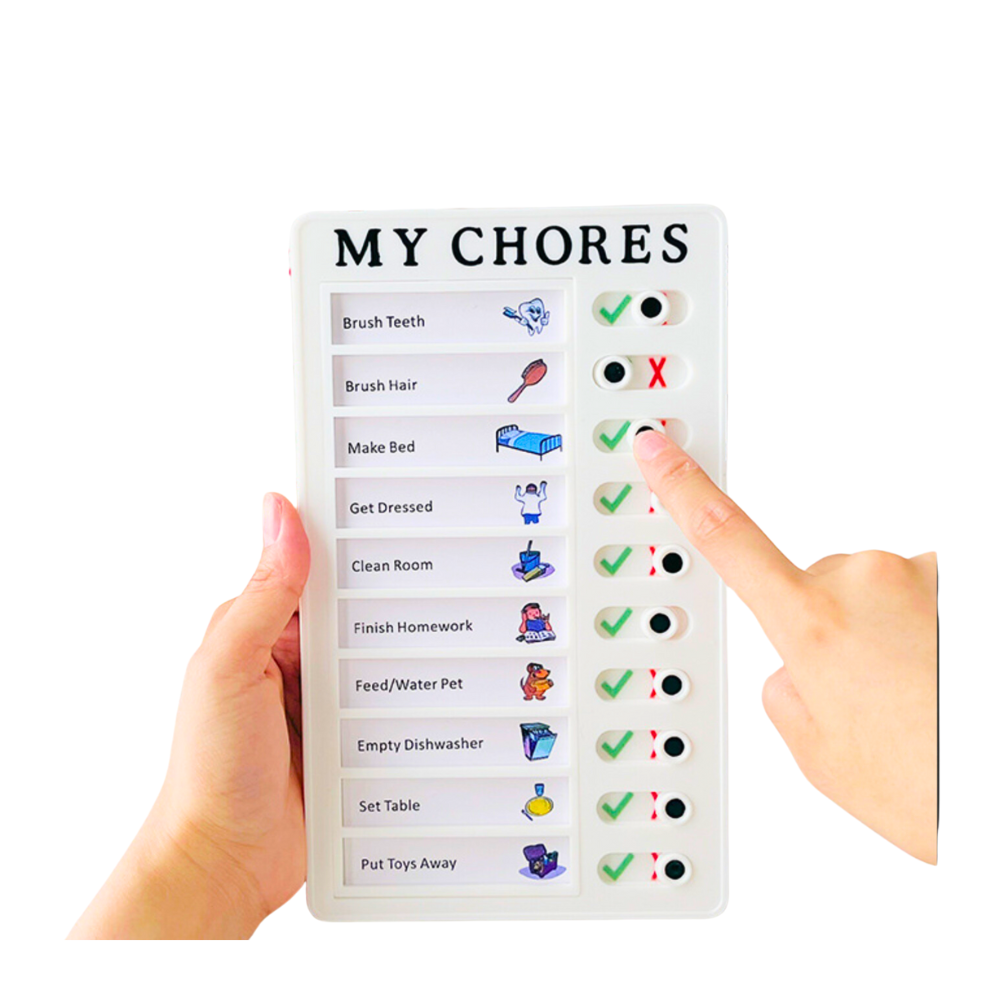
Happy Square’s Visual Schedule and Routine Cards Set includes 60 visual symbol cards, display strips and attachment dots that can be arranged to create individual routines. The website also offers sliding routine planners and visual timers.
Visual supports can be placed near the entrance so the room’s structure is clear before an activity begins.
5. Fine Motor and Learning Zone
Sensory spaces can also support quieter activities involving hand strength, coordination, matching, problem-solving and communication.
This zone might include:
- Busy boards
- Sorting activities
- Peg or threading tasks
- Puzzles
- Building resources
- Tactile matching activities
- Communication and language tools
Happy Square organises products by developmental area, including fine motor skills, cognitive skills, sensory stimulation, language development, play skills, routine planning and gross motor skills. This can help schools and clinics compare products according to the abilities or activities they want to support.
Choose Equipment According to the User, Not the Trend
Sensory products should not be selected only because they are popular or visually appealing.
Before buying an item, consider:
-
Who will use it?
Check the user’s age, size, mobility, communication needs and ability to follow safety instructions. -
What is the intended purpose?
Decide whether the product is intended for movement, quiet time, active sitting, coordination, visual support or another specific activity. -
How does the individual respond?
Some people actively seek movement, while others may find spinning, swinging, noise or touch uncomfortable. -
Who will supervise the activity?
Larger movement equipment may require close supervision or therapist direction. -
Does the space support safe use?
Check clearance zones, flooring, nearby furniture, walls, doorways and ceiling structures. -
Can the equipment be cleaned and stored?
Schools and clinics should consider hygiene, shared use and storage between sessions. -
What do the product instructions require?
Always check age recommendations, installation instructions, weight limits, warnings and maintenance requirements.
The most effective product is not necessarily the largest or most expensive. It is the product that has a clear purpose and can be used safely and consistently within the environment.
Avoid Overloading the Room
A common mistake is placing too many sensory products in one area.
An overcrowded room can become visually distracting, difficult to supervise and harder to navigate. Instead, begin with a small number of purposeful products and observe how the space is used.
A balanced starting setup could include:
| Purpose | Possible equipment |
| Controlled movement | Swivel chair or scooter board |
| Jumping and gross motor activity | Mini trampoline |
| Balance and active sitting | Balance board or wobble cushion |
| Quiet pressure-based activity | Body sock or compression tool |
| Calming movement | Pod swing or therapy hammock |
| Transitions | Visual timer |
| Predictable routines | Visual schedule or routine planner |
| Fine motor activity | Busy board, puzzle or sorting task |
Equipment can then be added, removed or rotated according to feedback and observed needs.
Create Clear Rules for Using the Space
A sensory room should have a simple operating plan.
Schools and clinics may need to document:
- Who can access the room
- Whether a staff member must always be present
- How long activities should last
- Which products require direct supervision
- How equipment is cleaned
- How damaged products are reported
- Where equipment is stored
- How individual preferences are recorded
- What to do if a person becomes uncomfortable or distressed
Staff should understand that a sensory room is not a punishment area or a place to isolate a student. Access should be respectful, purposeful and consistent with the person’s support plan.
Review the Space Regularly
An effective sensory environment should change as the needs of its users change.
Schedule regular reviews and ask:
- Which equipment is being used regularly?
- Which items are being avoided?
- Is the room helping users participate in their next activity?
- Are transitions into and out of the space working well?
- Have there been any safety concerns?
- Does any equipment need maintenance or replacement?
- Do staff need additional training?
- Is the room still serving its original purpose?
Feedback from users, families, teachers and therapists can help identify practical improvements.
Ordering Sensory Equipment from Happy Square
Happy Square is an Australian sensory and educational product business offering resources for families, schools, clinics, therapists and NDIS participants. Its range includes movement equipment, sensory and decompression tools, visual timers, routine planners, fine motor activities, learning products and gross motor resources.
Standard Online Orders
Customers can browse products by skill or collection, select the required items and complete checkout through the Happy Square website.
Selected product pages state that orders are generally processed within one to three business days. The website also advertises free shipping on eligible orders over $99, although customers should confirm current conditions and availability at checkout.
NDIS Orders
Happy Square provides an NDIS ordering pathway. Customers can complete the NDIS form, select their products, proceed through checkout and choose the relevant NDIS payment option.
For plan-managed orders, customers may need to provide the participant’s details, plan manager information, delivery address, contact number and a list of requested products. Happy Square states that it can send an invoice to the customer and plan manager before dispatching the order once payment is approved.
NDIS funding is individual. A product displayed as NDIS-related or commonly purchased by participants is not automatically funded for every person. Customers should confirm that an item meets their plan, goals and applicable NDIS requirements before ordering. The NDIS states that funded supports must meet reasonable and necessary criteria based on the participant’s individual circumstances.
School and Organisation Purchase Orders
Happy Square accepts purchase orders from schools and organisations. Its website states that eligible purchase-order customers can receive an invoice with payment terms of up to 30 days.
Purchase-order business details include:
Legal Business Name: Snowfuture Group Pty Ltd
Trading Name: Happy Square AU Pty Ltd
ABN: 37 629 564 807
Contact Person: Helen Wu, Manager
Email: happysquareau@outlook.com
Phone: 0430 750 122
Business Address: Unit 6/4 Vesper Drive, Narre Warren VIC 3805, Australia
Trade Accounts for Clinics and Professionals
NDIS providers, teachers, school managers, clinic therapists and relevant industry professionals can apply for a Happy Square trade account.
The website states that approved trade customers may receive special discounts across the product collection. Applications can be made by emailing Happy Square with the applicant’s professional or organisational details.
Address, Contact and Order-Support Details
Happy Square primarily accepts online orders and direct enquiries rather than formal appointment bookings.
For product guidance, NDIS invoice assistance, school purchase orders, trade account applications or larger clinic orders, contact:
Happy Square AU
Address: Unit 6, 4 Vesper Drive, Narre Warren VIC 3805, Australia
Phone: 0430 750 122
Email: happysquareau@outlook.com
Website: https://happysquare.com.au/
Customers planning to visit the address should contact Happy Square first to confirm access, opening arrangements and product availability. The contact page provides an online enquiry form that can also be completed after an order is placed.
Final Thought
A successful sensory space is not measured by the number of products in the room. It is measured by whether the environment is safe, purposeful, organised and responsive to the people who use it.
Begin by defining the room’s purpose. Create separate zones for movement, quiet activities, visual routines and skill-building. Choose equipment according to individual needs, professional guidance, available space and supervision requirements. Then review the environment regularly and adjust it according to real feedback.
With thoughtful planning, schools, clinics and therapy providers can create sensory spaces that feel structured without being restrictive, engaging without becoming overwhelming and flexible enough to support a wide range of users.
Happy Square offers sensory room equipment, visual tools, movement products and professional ordering pathways that can help Australian schools, clinics and therapy providers develop practical and supportive environments.
Important: Sensory products are not a substitute for individual assessment, medical care or therapy. Seek guidance from an occupational therapist, physiotherapist or another appropriately qualified professional when selecting equipment for therapeutic use, particularly swings, suspended equipment, spinning products or activities involving balance and movement.
